The Ultimate Guide: What to Look for When Buying a Used Set of Golf Clubs
Buying a brand-new set of golf clubs can feel like a major investment, especially if you’re new to the game or on a budget. The great news is that the second-hand market is packed with incredible deals. You can often find premium clubs at a fraction of their original price.
But here’s the catch: it can also be a minefield of worn-out gear, hidden damage, and even fakes. How do you find the gems and avoid the duds?
In my years of playing and helping others get into golf, I’ve learned the ins and outs of the used club market. This guide is the culmination of that experience. We’re going to break down, step-by-step, exactly what to look for when buying a used set of golf clubs so you can feel confident you’re getting a fantastic deal.
Quick Checklist: What to Look For When Buying Used Clubs
- Inspect the Club Face: The grooves are the most critical part. Look for deep, well-defined grooves, not smooth, worn-out surfaces.
- Check the Shafts: Look for cracks, dents, or rust, especially near the club head (hosel) and grip. The shaft is the engine of the club.
- Assess the Grips: Cracked or shiny grips will need immediate replacement. Factor this extra cost (~$10-15 per club) into your purchase price.
- Confirm Authenticity: Be wary of deals that seem too good to be true. Check serial numbers and buy from reputable sellers.
- Match the Set to Your Game: Ensure the club specs (flex, length, lie angle) are a good fit for your swing and height.
What to Look for When Buying Used Golf Irons: A Detailed Checklist
Finding a great set of used irons can set the foundation for your entire golf bag. These are your precision tools for approach shots, so their condition is paramount. Let’s dive into the specifics.
Inspecting the Club Heads: More Than Just Scratches
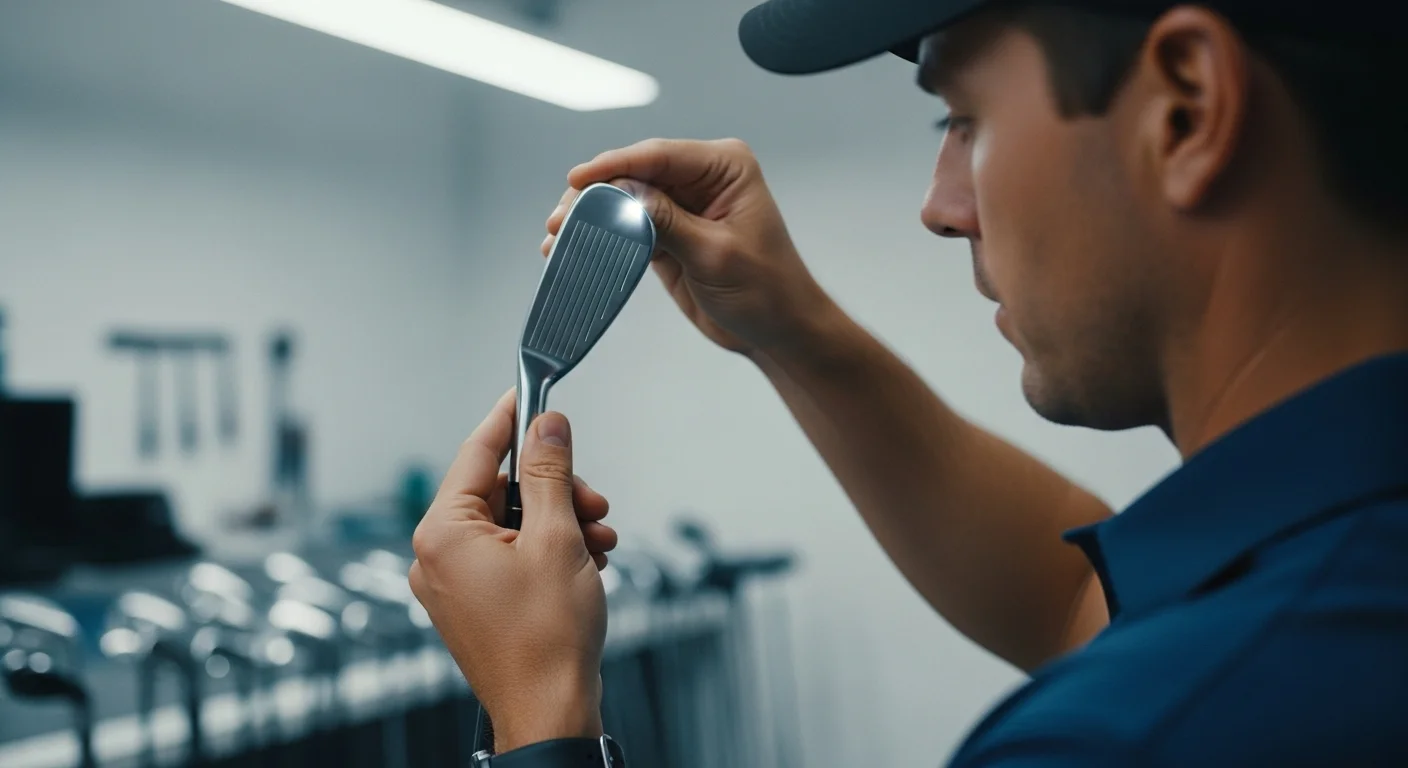
The club head is where the magic happens. While a few cosmetic scuffs from normal play are expected, you need to look closer at the functional parts.
The Grooves Are Everything
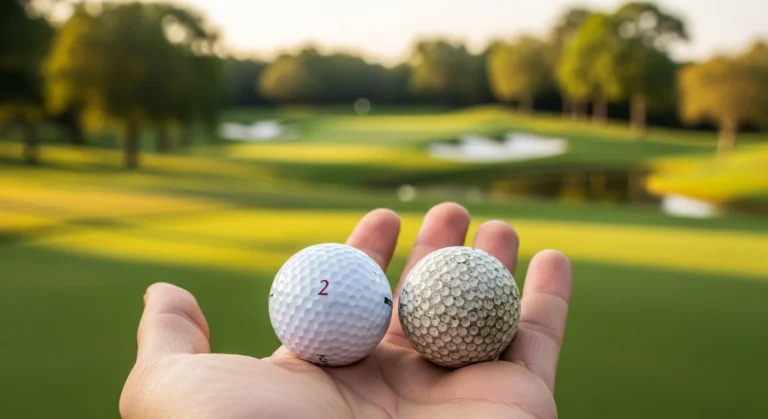
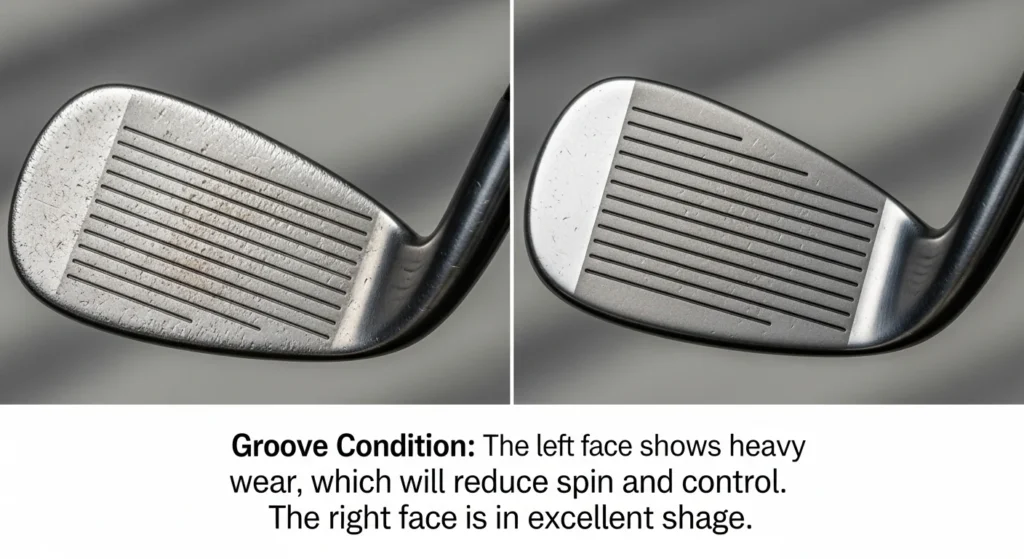
The grooves on an iron’s face are designed to grip the ball and generate spin. Worn-out grooves lead to less spin, less control, and inconsistent distances, especially from the rough or in wet conditions.
- What to look for: Run your fingernail across the grooves. You should feel distinct, sharp edges. If the face feels smooth or the grooves look faint, the clubs have seen a lot of action and their performance will be compromised.
- Pro Tip: Pay extra attention to the 7-iron, 8-iron, and pitching wedge. In my experience, these are the most frequently used clubs in a set and tend to show wear first.
Another Pro Tip: Sometimes grooves just look worn because they’re packed with dirt. I always recommend carrying a simple Golf Club Brush and Groove Cleaner Tool when you go to check out a set. A quick scrub can reveal the true condition of the grooves and, of course, it’s an essential tool for keeping your new set in top shape.
Check for Dents and “Browning”
Small nicks on the sole or back of the club are fine. However, significant dents on the face or topline are a major red flag. Also, look for a “browning” spot in the center of the face on forged irons. This indicates a well-loved club but also signifies significant wear in the sweet spot.
Why the Shaft is the Engine of Your Golf Club
The shaft is arguably the most important component for performance, yet it’s often overlooked when buying used. A damaged or incorrect shaft will make even the best club head useless for your swing.
Flex and Material
First, ensure the shaft flex (e.g., Regular, Stiff, Senior) matches your swing speed. If you don’t know your swing speed, a “Regular” flex is a safe starting point for most male golfers.
- Steel vs. Graphite: Steel shafts are common in irons and offer more control, while graphite shafts are lighter, more common in woods and hybrids, and can help increase swing speed. Make sure all shafts in an iron set are the same model and material.
Conduct a Thorough Physical Inspection
This is a step I never skip.
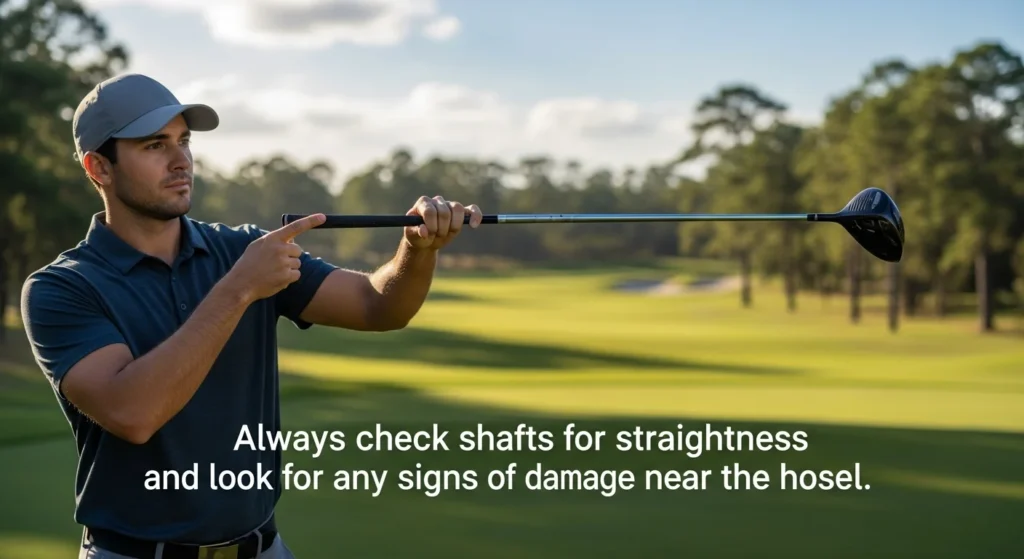
- Check for Dents and Cracks: Carefully run your fingers up and down the entire length of the shaft. Even a small dent can create a weak point that will eventually break.
- Look for Rust: Surface rust on steel shafts can sometimes be cleaned off. However, pitted rust or bubbling under the chrome finish indicates the shaft’s integrity is compromised.
- Inspect the Hosel: The area where the shaft enters the club head (the hosel) is a critical joint. Look for signs of rattling or looseness. A good club builder can fix this, but it’s an added cost and hassle.
Don’t Underestimate the Condition of the Grips
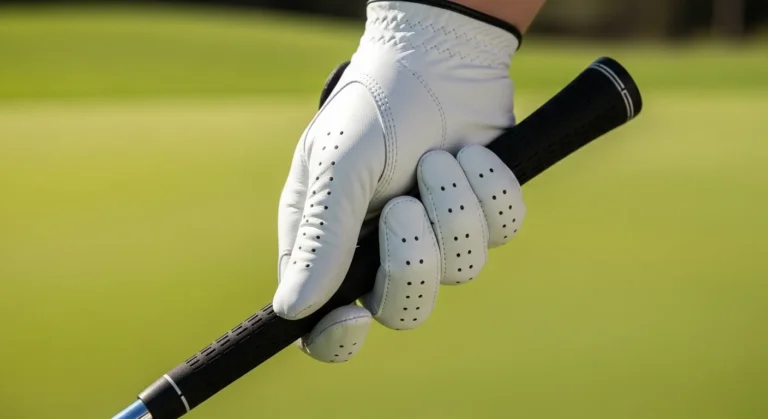
Grips are your only connection to the club. If they’re bad, you’ll subconsciously squeeze the club tighter, creating tension and ruining your swing.
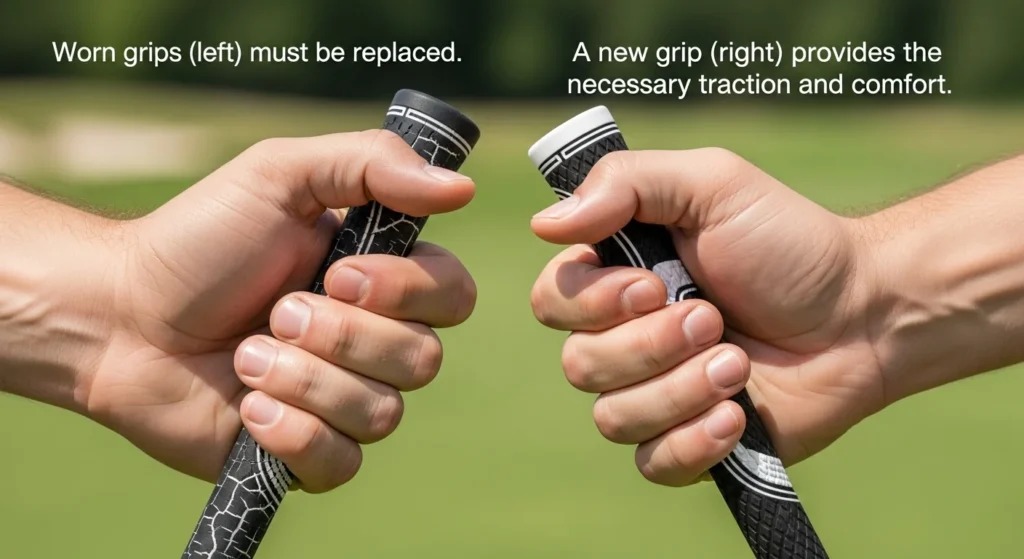
- What to look for: Look for grips that are cracked, hard, or shiny. These are signs the rubber has dried out and lost its tackiness.
- The Cost Factor: Replacing grips isn’t a deal-breaker, but you must factor it into the price. A new set of grips can cost you between $100 and $200 for a full set, installed. If you’re handy, you can save money with a DIY re-gripping kit.
If you find a great set of clubs with bad grips, don’t walk away! A simple Champkey Pro Retaining Grip Kit has everything you need to make them feel brand new again for a very reasonable price.
Spotting Counterfeits and Major Red Flags
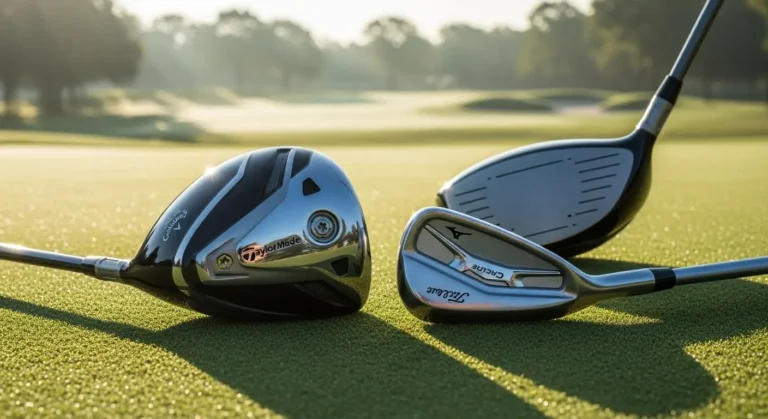
The market for counterfeit clubs, especially for big brands like Titleist, TaylorMade, and Callaway, is unfortunately quite large.
- “Too Good to Be True” Pricing: This is the #1 red flag. If a set of year-old AP2s is listed for $150, be extremely suspicious. Use a resource like the PGA Value Guide to get a realistic idea of a used club’s market value.
- Inconsistent Graphics and Logos: Counterfeiters often get small details wrong. The font might be slightly off, the paint-fill colors might be incorrect, or the logos might look blurry.
- Check the Serial Number: Most modern clubs from major brands have a unique serial number etched onto the hosel of one of the irons (usually the 6 or 8-iron). You can often call the manufacturer’s customer service to verify the number.
Getting the Right Fit for Your Game
Finally, the clubs have to be right for you.
- Length: Standard-length clubs fit the vast majority of golfers. If you are particularly tall (over 6’2″) or short (under 5’5″), you may need clubs that are longer or shorter than standard.
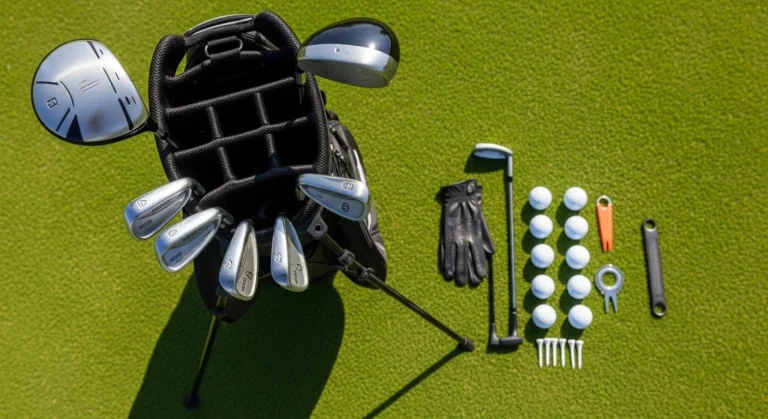
- Set Composition: Does the set make sense? A typical used set will run from a 4-iron or 5-iron through a pitching wedge (PW). Make sure no clubs are missing from the sequence. Getting a matching gap wedge (AW) or sand wedge (SW) is a huge bonus.
- Is This Set Right for Your Skill Level? A beautiful set of forged blades might be tempting, but if you’re a beginner, you’ll have a much better time with more forgiving cavity-back or game-improvement irons. Check out our Beginner’s Guide to Building a Golf Bag for more on this.
Frequently Asked Questions (FAQ)
Absolutely. Golf technology doesn’t change dramatically year-to-year. A set of premium clubs from 3-5 years ago will perform almost identically to its brand-new counterpart but at 40-60% of the cost. It’s the smartest way to get high-quality gear without the high price tag.
This varies wildly based on brand, age, and condition. A good 5-year-old game-improvement set from a major brand might cost $250-$400. A 2-year-old “player’s” set could be $500-$800. Always research the specific model to understand its original price and current market value.
Brands with a reputation for quality and durability are fantastic choices. Think Titleist, Ping, Mizuno, and certain Callaway or TaylorMade models. Ping irons, in particular, are known for being incredibly durable and hold their value well.
The best way is to know your measurements from a professional fitting. Our How to Get Fitted for Golf Clubs guide explains this process. As a quick check, assume a correct golf posture with the club. The butt end of the grip should be about an inch past your hands.
Final Verdict: Buying Used Golf Clubs The Smart Way
Buying a used set of golf clubs is an excellent way to elevate your game without emptying your wallet. By following this checklist and doing your homework, you can confidently navigate the second-hand market.
Remember to prioritize the fundamentals: the grooves, the shafts, and the grips. A few cosmetic scratches won’t affect your score, but a worn-out face or a cracked shaft will. Take your time, inspect thoroughly, and you’ll soon be on the fairway with a “new-to-you” set that you love.
What’s the best deal you’ve ever found on used golf clubs? Share your story in the comments below!